
Designer Spotlight
Meet the Designer
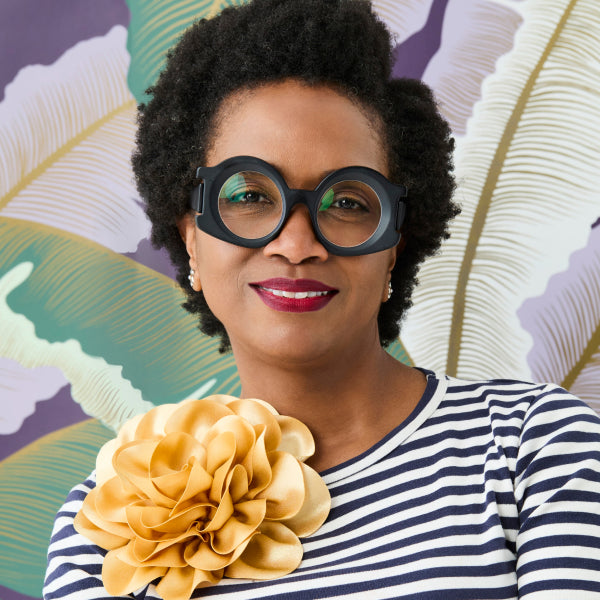
Gail Davis
Founder, Gail Davis Designs
What’s the biggest design mistake you see in entryways?
People tend to treat the entry as a pass-through instead of connecting it to the rest of their home. I treat every space as if a party could happen—so it feels as considered as everything else.
How can someone make their entry feel more inviting?
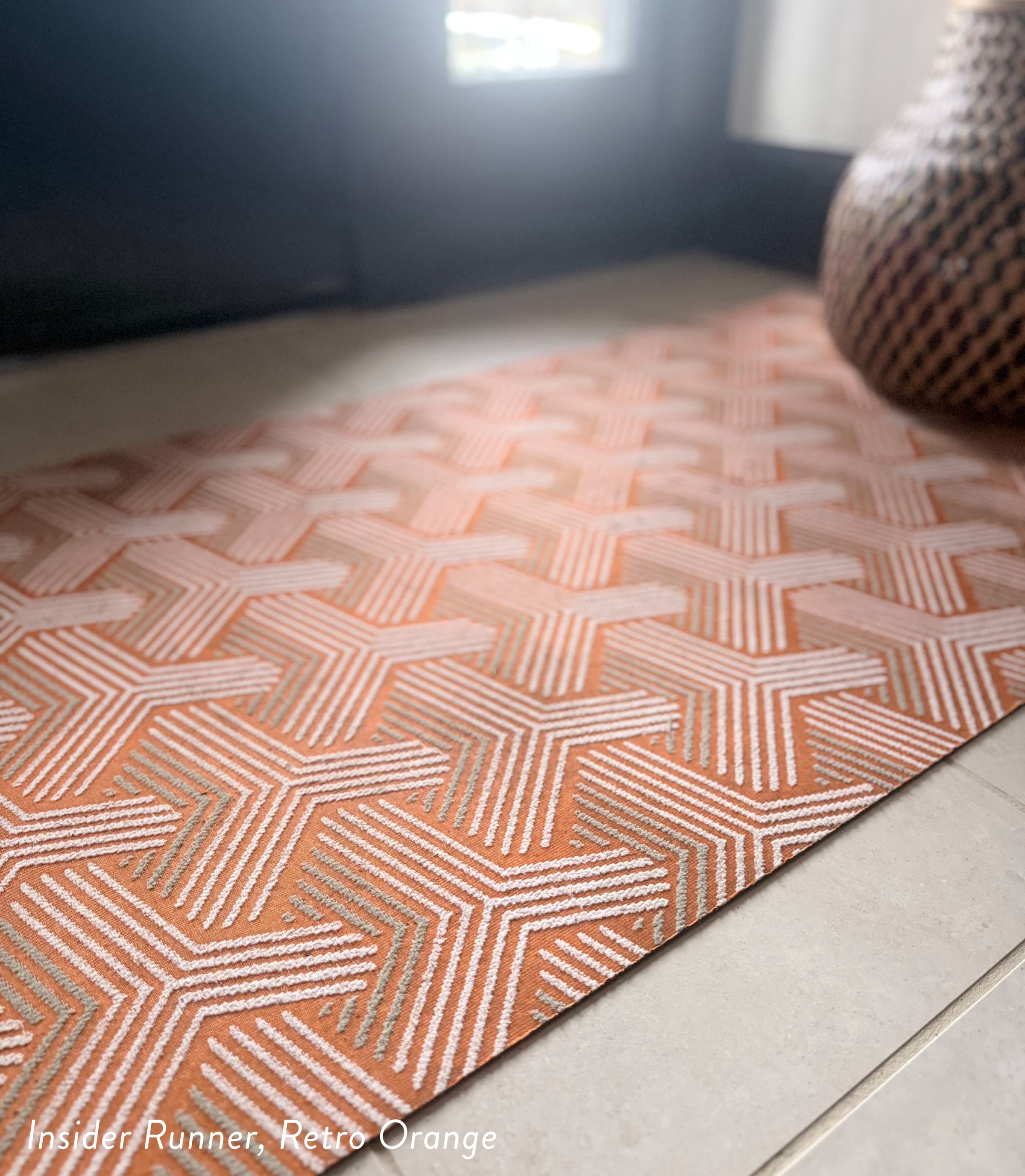
Design with intention: Add wallpaper that makes folks do a double take, or a mirror that has an unusual shape or color. And choose a mat that will make you smile. The Insider runner in Retro Orange makes my entry feel like it’s always sunny. It’s a joy to come down the steps and see the space bright and welcoming.
What’s your most-used design phrase with clients?
“You live in a home, not a museum.” It is not meant to remain pristine. It’s meant to hold your routines, your quiet moments, and the rhythm of your life. It will become messy at times. It will shift and change. And this is a beautiful thing. Because the purpose of your home is not perfection. It’s meant to be warm, inviting, and deeply livable.
Shop the LookMeet the Designer

Glenna Stone
Founder of Glenna Stone Interiors
What’s your top tip for creating a beautiful, welcoming entry?
It’s simple: create a moment of pause. The entry is a transition point between the outside world and the comfort of home. It should communicate that you’ve arrived somewhere intentional and cared for. That doesn’t require a grand foyer—it just requires thoughtful details. In a larger home, that might look like a defined console table with a lamp for soft light, a mirror to reflect natural light, or a tray for keys and mail. In an apartment or rental, the same principle applies on a smaller scale: removable wall hooks, a slim shelf, or a mirror to visually expand the area. Even with three feet of wall space, you can create that shift—the feeling that you’ve truly arrived.
What’s the biggest design mistake you see people make in high-traffic spaces?
Prioritizing appearance over function. High-traffic areas need durable materials and intentional storage—without them, clutter builds quickly. These spaces work hard. When they’re designed for looks alone, they can’t do their job. Function and beauty should never be separate—they should support each other.
What’s an easy fix people can try right away?
Start by identifying what naturally collects in your entryway—from shoes and bags to mail—and assign each item a designated place. Use a closed basket or stylish storage bench for shoes. Create a drop zone for keys and bags. Add a durable rug or mat that can handle daily wear and define the space. When you give everyday items a home, the room instantly feels calmer. And that sense of calm is what makes an entryway truly inviting.
Shop the LookMeet the Designer

Tina Ramchandani
Founder of Tina Ramchandani Creative

What’s your top tip for creating a beautiful, welcoming entryway?
Think of the entry as an invitation to the home: it sets the mood for what’s to come. I focus on balanced proportions, warm lighting, and one strong focal point, like a statement mat, sculptural console, or great piece of art—something that feels intentional and cohesive with the rest of the space.
What’s the biggest design mistake you see people make in high-traffic spaces?
They’re often treated as an afterthought. I see people either cram in too much or leave the space feeling bare and unfinished. Entryways and other high-traffic areas work hard, but that doesn’t mean they can’t be beautiful. Function is important—but without thoughtful design, it just turns into storage.
What’s a design hill you’re willing to die on?
Editing—removing anything that doesn’t belong. If a space needs to be explained, it’s probably doing too much. Luxury comes from restraint. When every piece has a purpose, the room feels calm, confident, and timeless.
Shop the Look